Ah, social media! The land of viral sensations, trending hashtags, and, occasionally, catastrophic blunders. While it can propel a brand to new heights, it can just as easily lead to public relations nightmares.
In this article, we’ll explore 12 failed social media campaigns so you can learn from them and avoid making the same mistakes in your own social media efforts.
Let’s jump right in.
12 Failed Social Media Campaigns And What You Can Learn From Them
1. Starbucks Korea’s “Tank Day” Campaign
This is probably the biggest one so far (definitely in 2026). Starbucks Korea chose May 18 to launch a large tumbler promotion called “Tank Day.” The problem? May 18 is the anniversary of the 1980 Gwangju massacre, when hundreds of pro-democracy activists were killed by military troops and tanks. The campaign slogan “Thwack it on the table” made things worse — it echoed a notorious 1987 police cover-up in which authorities claimed a student activist had died because an investigator “hit the desk with a thwack,” rather than admitting he’d been tortured to death.
To South Koreans, neither reference was subtle. The backlash escalated fast: app deletions, smashed products, refund demands, government ties cut, and public apologies. Within hours, the promotion was pulled. Days later, the Starbucks Korea CEO was fired.
All of it because no one in the approval chain asked the obvious question.
2. McDonald’s AI-generated Christmas Ad
Look, McDonald’s has had quite a few social media fails over the years, and we’ve got another example to share later in the article. One of the more recent ones? A 45-second AI-generated Christmas video posted in December 2025 in the Netherlands.
The ad was titled “It’s the Most Terrible Time of the Year” — a riff on the Andy Williams classic — and showed a series of holiday mishaps playing out to a reworked version of the song. Meant to be funny and relatable, it landed as “creepy,” “poorly edited,” and “inauthentic.” McDonald’s pulled it just three days later. What went wrong wasn’t just the tone — it was the AI-generated visuals in a campaign that was supposed to feel human and warm. The two things don’t mix well, especially at Christmas.
The takeaway? AI can help you move faster, but it can’t replace the human judgment needed to know whether something actually works before it goes out.
3. Ring’s Super Bowl Ad and Flock Safety Partnership Backlash
Ring spent an estimated $8–10 million on a Super Bowl LX spot built around a lost-dog reunion story. The ad promoted “Search Party,” an AI feature that scans neighborhood camera footage to locate missing pets. Warm, relatable, feel-good — exactly what a Super Bowl ad should be.
The problem wasn’t the creative. It was the context. Ring had already announced a partnership with Flock Safety, a company that shares private camera footage with law enforcement. So when millions of viewers saw Ring promoting neighborhood-wide AI surveillance, they didn’t see a pet-finder. They saw a surveillance network with a cute story on top.
Four days after the Super Bowl, Ring canceled the Flock partnership. The lesson: a campaign doesn’t exist in a vacuum. What your brand is doing off-screen shapes how your ads land.
4. Chase’s Post Mocking Customers
Imagine waking up on a Monday, checking your bank balance, and finding a post from your bank suggesting you should “make coffee at home” instead of splurging at cafes. That’s exactly what happened when Chase Bank decided to jump on the “#MondayMotivation” trend with a tone-deaf post.
The post, meant to be a light-hearted financial tip, quickly backfired. Instead of motivating customers, it felt like a slap in the face to those already struggling with finances. The backlash was swift and severe, with people accusing Chase of being out of touch with their own customer base. Even high-profile figures like Senator Elizabeth Warren chimed in, reminding the bank of its role in the 2008 financial crisis.
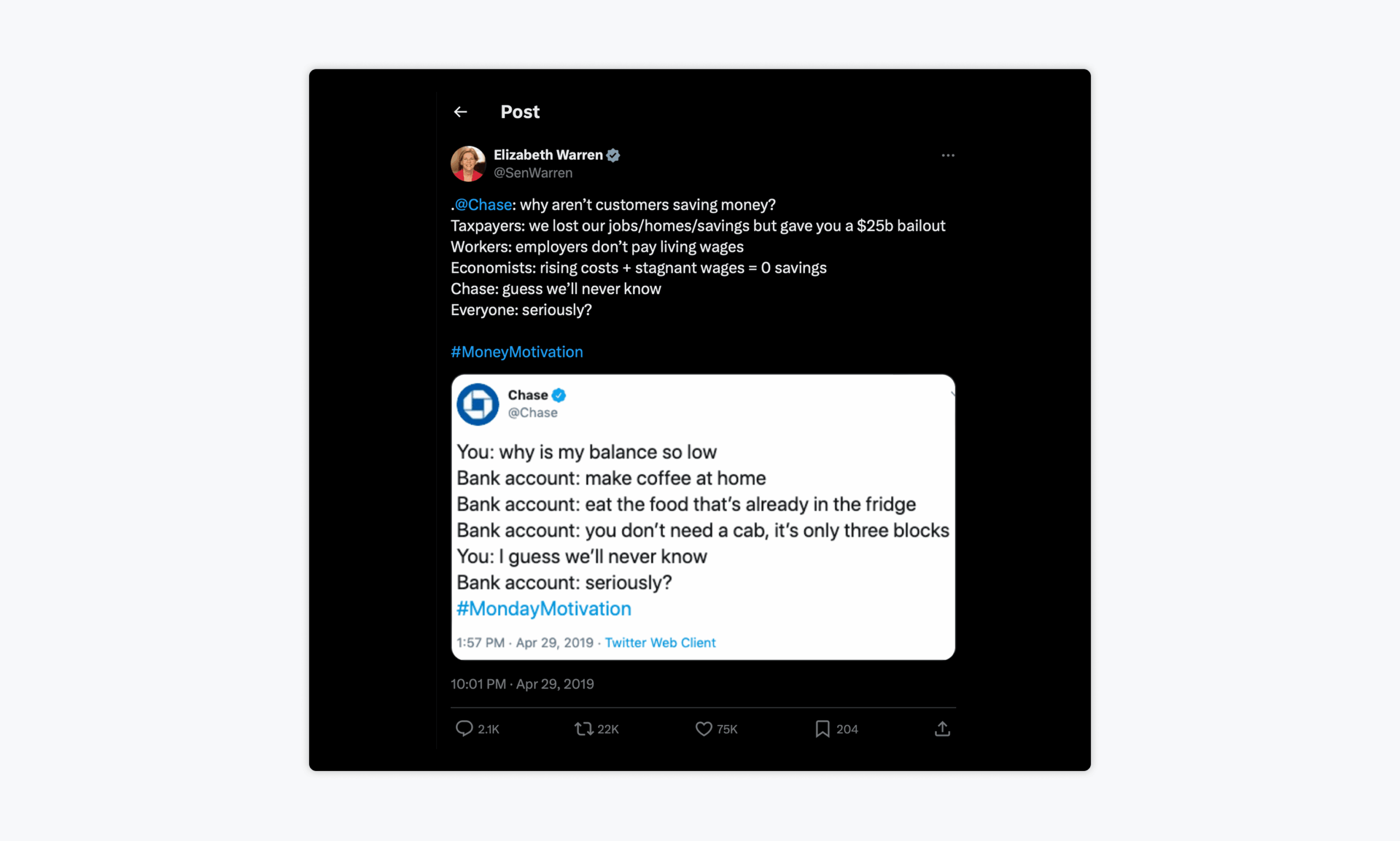
In a matter of hours, Chase had to pull down the post and issue an apology. The lesson here? Always consider the current economic climate and your audience’s potential sensitivities before hitting send.
5. Tampax Inappropriate Post
Tampax, a brand synonymous with menstrual products, thought they had struck gold with a cheeky post that read: “You’re in their DMs. We’re in them. We are not the same.” While the brand aimed to be playful and relevant, the post quickly spiraled into a PR disaster.
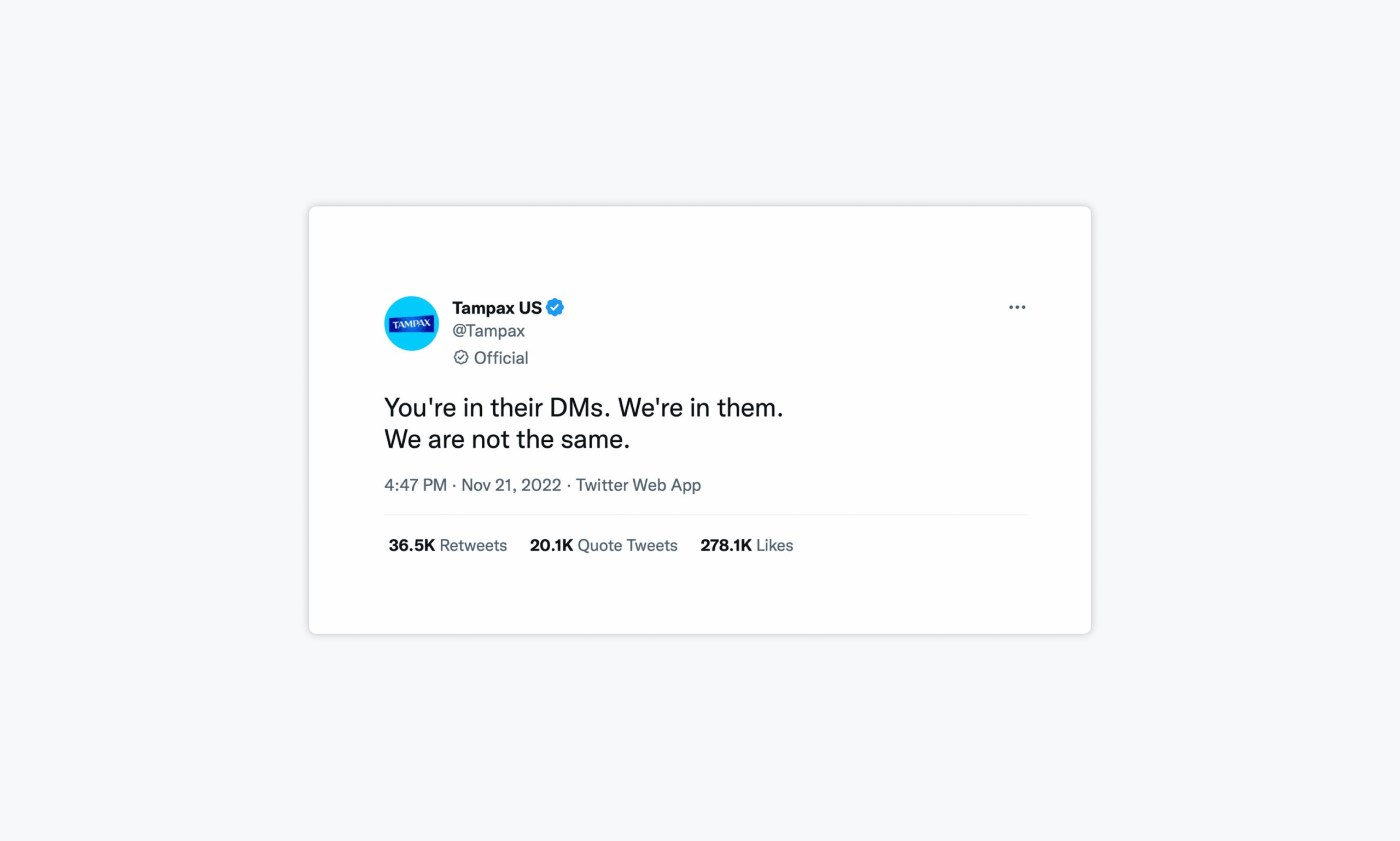
Critics argued that the post was crass and inappropriate, given the nature of the product. It wasn’t long before social media users flooded the platform with negative comments, accusing Tampax of crossing a line. What was intended to be a humorous take on modern dating lingo ended up being seen as distasteful and disrespectful.
Tampax was forced to delete the post and issue an apology, but the damage had been done. This incident highlights the importance of understanding the fine line between edgy and offensive in social media marketing.
6. Bioré’s Mental Health TikTok Controversy
Mental health is a sensitive topic, one that requires careful handling, especially on social media. Bioré, a skincare brand, learned this the hard way with a TikTok campaign that was meant to raise awareness about mental health but ended up trivializing it.
The incident involved a TikTok posted by influencer Cecilee Max-Brown, who discussed her mental health struggles following a school shooting at Michigan State University. The video, which was part of a campaign for Mental Health Awareness Month, aimed to “strip away the stigma of anxiety” using Bioré’s pore strips.
However, the integration of such a serious personal trauma with a product promotion was widely criticized as insensitive and exploitative.
Bioré faced significant backlash for the perceived trivialization of mental health issues and for using a tragic event to market a beauty product. The brand and Max-Brown both issued apologies, acknowledging the misstep and the lack of sensitivity in the campaign’s execution.
7. McDonald’s Incomplete Black Friday Post
Another failed social media campaign comes from McDonald’s. In 2017, the fast-food chain planned to join the Black Friday frenzy with a caption scheduled for the big day. However, someone hit send on a placeholder post that read: “Black Friday **** Need copy and link****.”
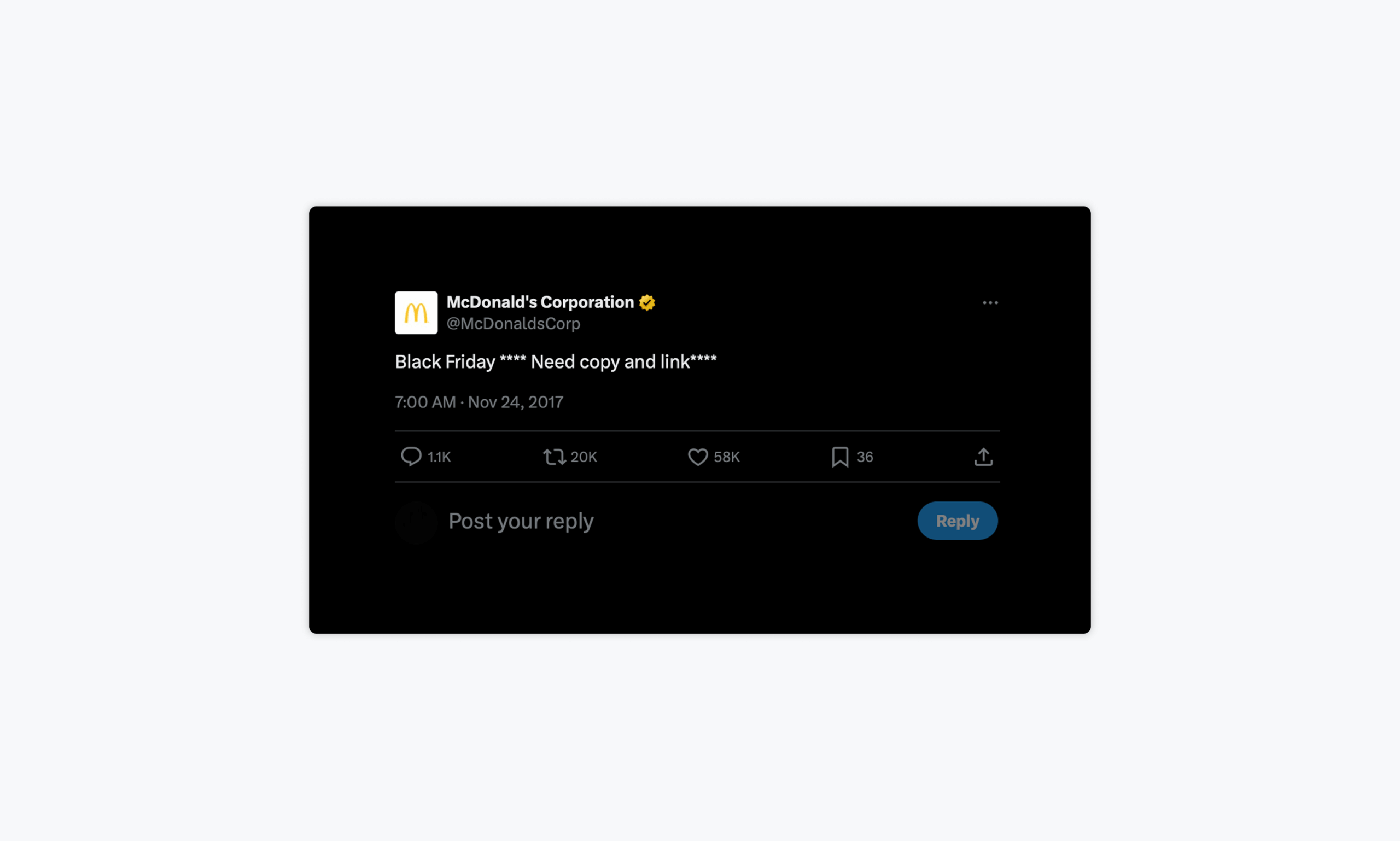
The incomplete post quickly went viral, but not in the way McDonald’s intended. People mocked the brand for the oversight, creating memes and jokes at their expense.
This teaches us one lesson—always triple-check your social media copy and make sure your social media scheduler doesn’t publish drafts or posts that your stakeholders have not yet approved.
✨Related Read: 8 Easy Ways to Reduce Mistakes in Social Media Posts
8. Apple’s 2024 iPad Ad
Even tech giant Apple is not immune to social media missteps.
Apple recently faced a storm of criticism over its latest iPad Pro ad, “Crush.” The ad featured a hydraulic press destroying various creative tools like musical instruments, cameras, and books, suggesting that all these tools could be replaced by an iPad. This concept didn’t sit well with many creatives who felt it diminished the value of their traditional tools and work.
The backlash was swift and fierce. Creatives voiced their disapproval, arguing that the ad was disrespectful to their crafts. Recognizing the mistake, Apple issued a public apology, acknowledging that the ad missed the mark and reaffirming Apple’s dedication to empowering creativity through its products.
In response to the controversy, Apple also decided to cancel its plans to run the ad on television. Although the ad remains on Apple’s YouTube channel, it has not received any paid promotion.
9. Sydney Sweeney’s American Eagle “Great Jeans” Campaign
In 2025, American Eagle launched a denim campaign featuring actress Sydney Sweeney that was supposed to feel playful and bold. The ads leaned on the pun “great genes/jeans,” with scenes of Sweeney posing suggestively while talking about her “blue genes.”
The reaction was anything but lighthearted. Critics called out the campaign for objectifying Sweeney’s body and reinforcing outdated beauty ideals. Others argued that the focus on “genes” and Sweeney’s blonde, blue-eyed image carried racial undertones that made the ads even more uncomfortable. The backlash spread quickly, and instead of celebrating denim, American Eagle found itself at the center of a cultural firestorm.
Moral of the story: If your campaign messaging risks being read as racially coded or body-shaming, it won’t land. Test concepts with diverse audiences before rolling them out.
10. Swatch’s “Slanted Eye” Ad Backlash
In August 2025, Swiss watchmaker Swatch pulled its new Essentials campaign after images showed an Asian male model making a “slanted eye” pose. The photos were quickly condemned on Chinese social media, where users said they mimicked racist taunts aimed at Asian people.
The response was immediate and damaging. Shares in Swatch fell more than 3% after the controversy broke out, and the company rushed to issue apologies in both Chinese and English on Weibo and Instagram.
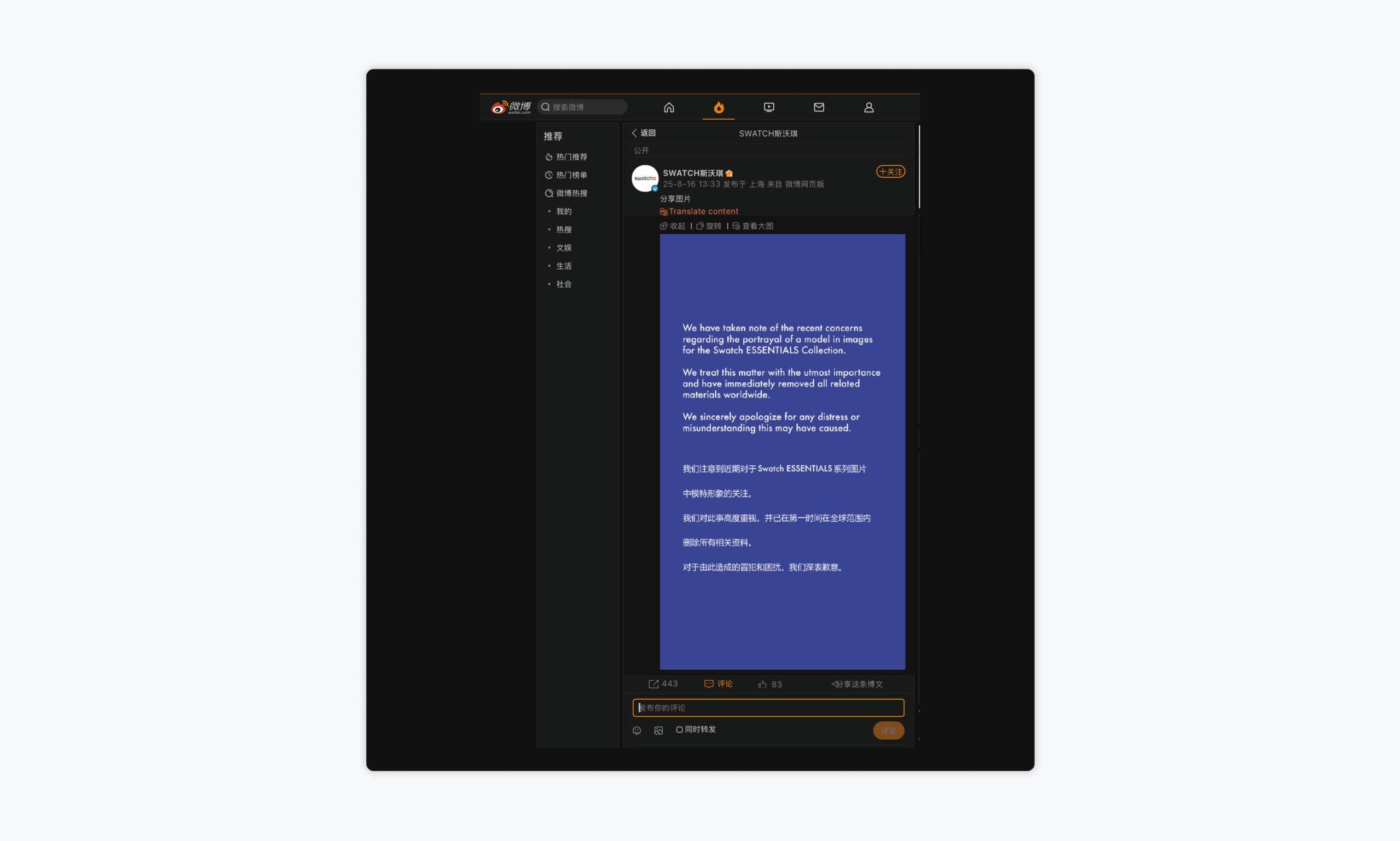
While the posts were removed worldwide, the misstep raised bigger questions about how such imagery passed through approvals at a global brand. The lesson? Cultural sensitivity is non-negotiable. Creative ideas must be vetted across diverse teams and markets, because what looks like a playful pose to one group can be deeply offensive to another.
11. L’Oréal’s Urban Decay OnlyFans Controversy
In 2025, L’Oréal’s Urban Decay brand hired Ari Kytsya, a popular influencer who also produces explicit content on OnlyFans, as a new ambassador. The campaign, which ran heavily on TikTok, was designed to spotlight Kytsya’s makeup artistry and authenticity.
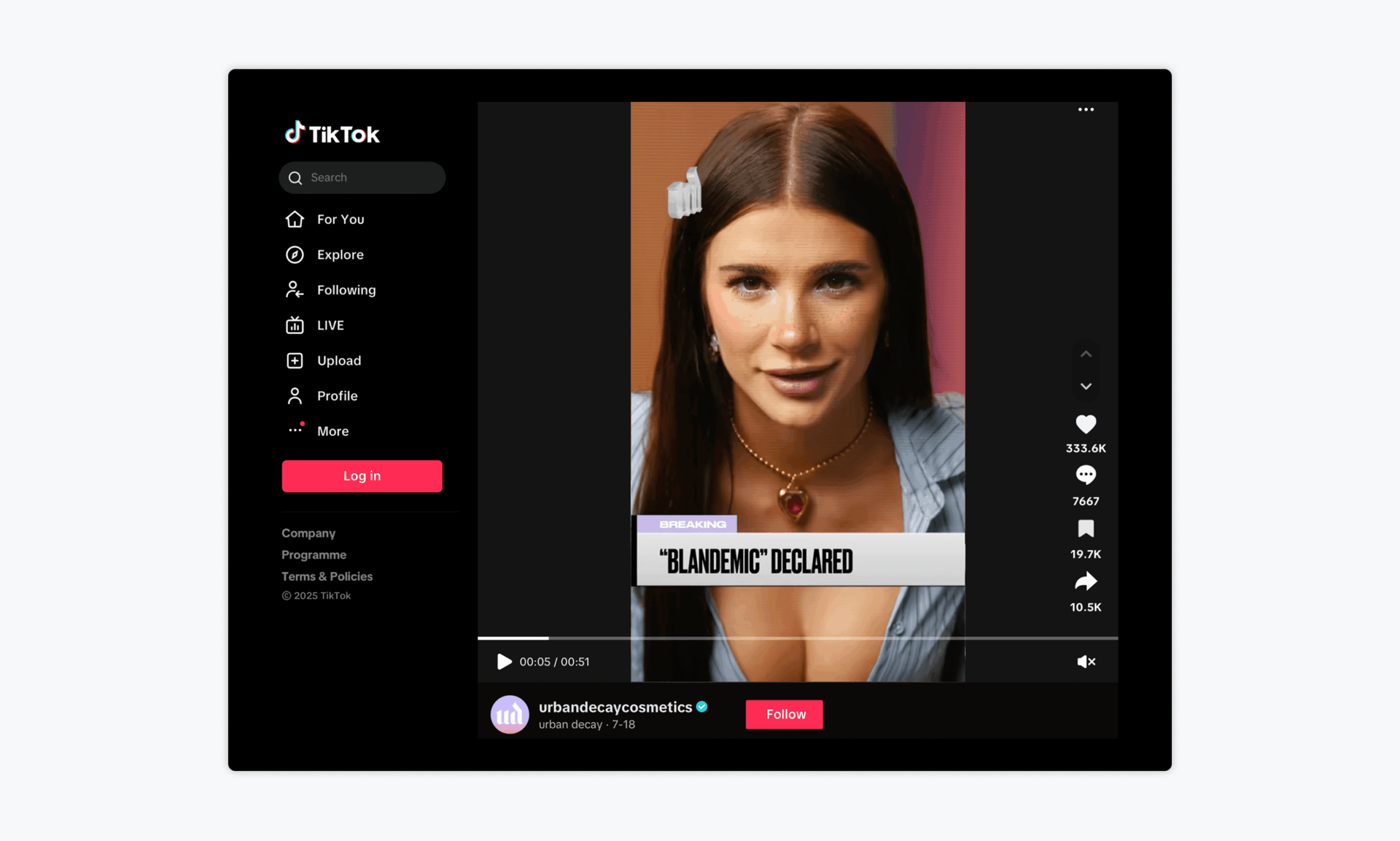
But the reaction was swift. Advocacy groups and parents argued the partnership glamorized the pornography industry for teens, since Urban Decay is a brand widely used by younger audiences. Critics also pointed out that the deal seemed to clash with L’Oréal’s own influencer guidelines, which prohibit associations with pornography. While Urban Decay defended the collaboration as a celebration of diverse voices, the backlash quickly became the story.
Takeaway: Influencer marketing only works if there’s alignment with your audience’s values. If you care about your brand’s long-term reputation, questionable partnerships are a no-no.
12. White Glo’s “Make the White Choice” Campaign
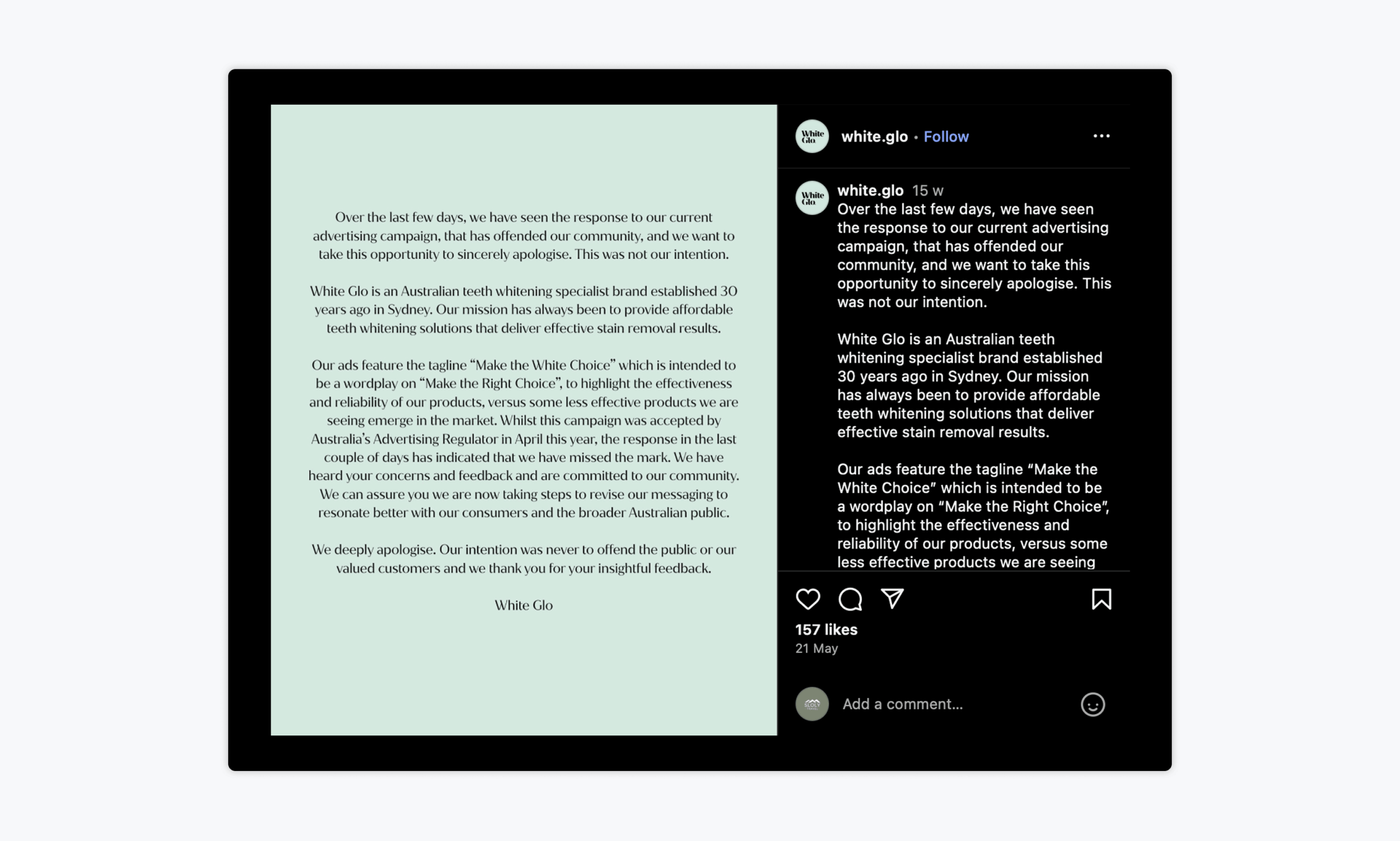
In 2025, Australian toothpaste brand White Glo rolled out an outdoor campaign across Sydney and Melbourne with the slogan “Make the White Choice.” The brand said the line was meant as a play on “Make the Right Choice” to highlight teeth-whitening effectiveness.
But the message didn’t land as intended. Social media users and industry professionals slammed the slogan as racially loaded, pointing out its echoes of far-right and white supremacist rhetoric. In multicultural cities like Melbourne, the ads were seen as especially jarring. After intense backlash, White Glo issued a public apology on Instagram and confirmed it was pulling the campaign.
What brands can learn: Clever wordplay can easily carry unintended meanings. Test your slogans across diverse audiences before investing in a wide rollout, or you risk sparking outrage instead of building trust.
| ✨ By the way, social media isn’t only about fails. There have been thousands of successful, inspiring, and jaw-dropping campaigns worldwide. Check out these 5 famous social media campaigns to take notes on. |
How Can Companies Avoid Social Media Backlash?
Avoiding backlash requires proactive planning, cultural awareness, and strong internal processes. Here’s a simple step-by-step process👇
Step 1: First, companies should test messaging and visuals with diverse focus groups before launching a campaign, especially if the content touches on sensitive themes. Cultural context matters—what feels playful in one region may be offensive in another.
Step 2: Next, brands should align every campaign with their values and audience expectations. If content feels disconnected from the company’s mission or tone, audiences will notice.
Step 3: Just as important is having a robust approval system. Content approval tools like Gain ensure no post goes live without review and sign-off, reducing errors such as unfinished drafts or poorly worded posts.
Step 4: Finally, companies should be prepared with a social media crisis response plan. If a campaign does spark criticism, a swift, transparent, and genuine apology can limit long-term damage.
FAQs
Big brands often make mistakes on social media because of a mix of speed, scale, and oversight challenges. Social media moves quickly, and companies feel pressure to respond in real time or launch bold campaigns that cut through the noise. In this rush, they may skip critical steps like testing creative concepts, vetting language with diverse audiences, or aligning campaigns with brand values. Large organizations also deal with multiple approval layers across marketing, legal, and PR teams. Ironically, this can lead to “groupthink” or blind spots where no one questions potentially offensive or confusing messaging. Additionally, global brands sometimes underestimate cultural nuances, assuming content will resonate the same way across markets. The result is tone-deaf campaigns, accidental insensitivity, or outright PR disasters.
If your campaign upsets people, don’t wait—act fast. Start by taking the content down or pausing it so the damage does not spread further. Then share a clear and genuine apology that takes responsibility. Keep the language simple, honest, and free of excuses. Do not blame your audience for misunderstanding. Instead, show empathy and acknowledge the mistake. Next, explain what you will do to prevent it from happening again. This could include updating your review process, bringing more diverse voices into decision-making, or giving your team additional training. In some cases, it can also help to reach out directly to the communities that were affected to show you are listening and committed to making changes.
Yes, but success is risky and often short-lived. Some controversial campaigns intentionally push boundaries to spark debate or gain visibility. For instance, edgy humor or bold political statements can generate viral attention. However, controversy only works when it aligns with a brand’s values and audience expectations. If a brand has built its identity around disruption, like Benetton or Diesel, controversy can feel authentic and reinforce brand positioning. But for most companies, the risks outweigh the rewards. Misjudged controversy often alienates core customers, attracts negative press, and creates long-term trust issues.
Don’t Make The Same Mistakes These Brands Made
So there you have it—proof that even the biggest brands can make a mess on social media! These 9 failed social media campaigns are a good reminder that it pays to plan and double-check everything before you post or share.
And the best way to double-check? Build it into your process. Gain is a content approval platform that makes sure every piece of content gets reviewed and signed off by the right people before it’s published. Nothing goes live without the right sign-offs, and every decision is automatically documented.
To see it for yourself, try Gain at no cost today.