Photo by Alena Darme Agencies are using AI. Clients know it, or at least have a hunch. While it’s not wrong to use AI to speed up ideation, first-draft production, or whatever else (many marketers do it), you’ve got to be open about it. And no, not because clients will walk if they find out you’re using AI, but because when there’s no clear communication framework, clients fill the silence with their own assumptions. And…

Image via Magnific We can all agree that AI has made content production faster. And it’s no secret that companies of all sizes now use it to brainstorm, draft, repurpose, and fill content calendars at a pace that wasn’t possible before. But publishing AI-generated content without a proper review process? That carries its own risks. Hallucinated facts, brand voice drift, unapproved claims, the wrong version going out — these don’t fix themselves. And a quick…
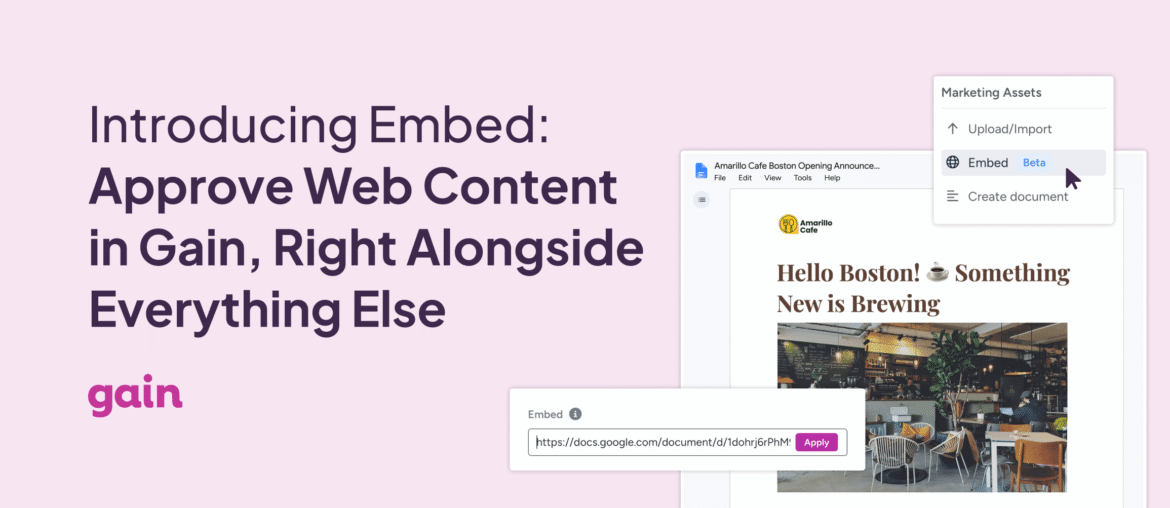
Your social posts are in Gain, moving through approvals. But the landing page? You emailed the URL to your client and you’re waiting. The HTML banner? It’s in a Slack thread. The email preview? You forwarded it and you’re not sure they opened it. Gain is a universal content approval platform — one place where marketing teams get sign-off on every piece of content they create, not just social posts. Today we’re taking another step…
Most marketing teams have figured out how to use AI to speed up content production. Far fewer have figured out what to tell people about it. That gap is becoming expensive. The FTC now penalizes undisclosed AI involvement in advertising at up to $53,088 per post. And according to a 2026 Canva study, 52% of consumers say that disclosure of AI use is one of the key things that builds trust in a brand. If…
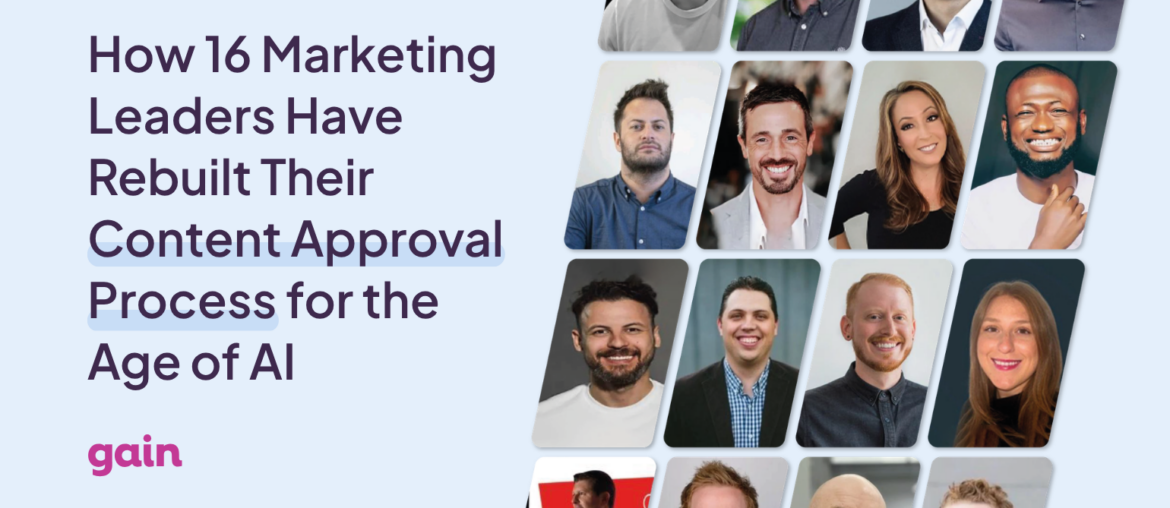
As AI makes it easier to generate more content across more channels, one question becomes increasingly urgent: what does the content review and sign-off process actually look like right now for marketing teams and agencies? We asked 16 marketers and agency leaders to answer it honestly. What is working, what is breaking, and how are teams maintaining quality at a volume that would have been impossible two years ago. The Bottleneck Has Moved from Production…
Photo by Tiger Lily on Pexels In most industries, a poorly worded ad or a social media post is an embarrassment. In regulated industries, it can be a federal violation. Financial services, healthcare, pharma, and insurance operate under strict rules that govern what you can say in your marketing, how you say it, who has to approve it, and how long you have to keep a record of it. Regulators actively monitor digital content and…
Ah, social media! The land of viral sensations, trending hashtags, and, occasionally, catastrophic blunders. While it can propel a brand to new heights, it can just as easily lead to public relations nightmares. In this article, we’ll explore 12 failed social media campaigns so you can learn from them and avoid making the same mistakes in your own social media efforts. Let’s jump right in. 12 Failed Social Media Campaigns And What You Can Learn…
Getting the right people to review and approve marketing content — on time and with feedback in one place — is sometimes harder than it should be. Some teams use good old email to send assets for approval. Others rely on Slack. But really, none of these tools are fit for purpose. In this guide, we’ve rounded up the 6 best marketing approval software solutions that are built to make your approval process faster and…
Managing social media for a small brand is pretty straightforward. But if you’re an agency juggling content for multiple clients, or an enterprise team running several brand accounts at once, the complexity scales fast. Different clients, different approval requirements, different team members touching the same content — and suddenly, winging it with shared logins and informal sign-offs over Slack creates real risk. Unauthorized posts go live. Approvals get lost. Nobody can prove what happened or…
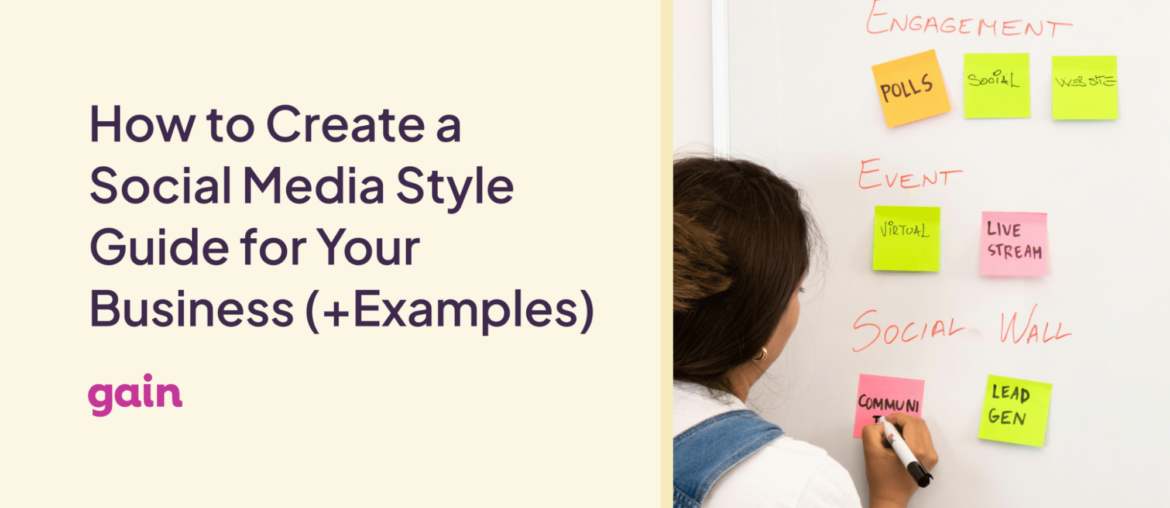
Photo by Walls.io on Unsplash Every business, however small, should have a social media style guide. The reason is simple: without one, every person on your team makes their own judgment calls about tone, visuals, hashtags, and whatever else you’re posting. Sometimes those calls are right. Sometimes they aren’t. Over time, that inconsistency can quietly erode how professional and trustworthy your brand looks online. If you don’t want that to happen to your business, read…